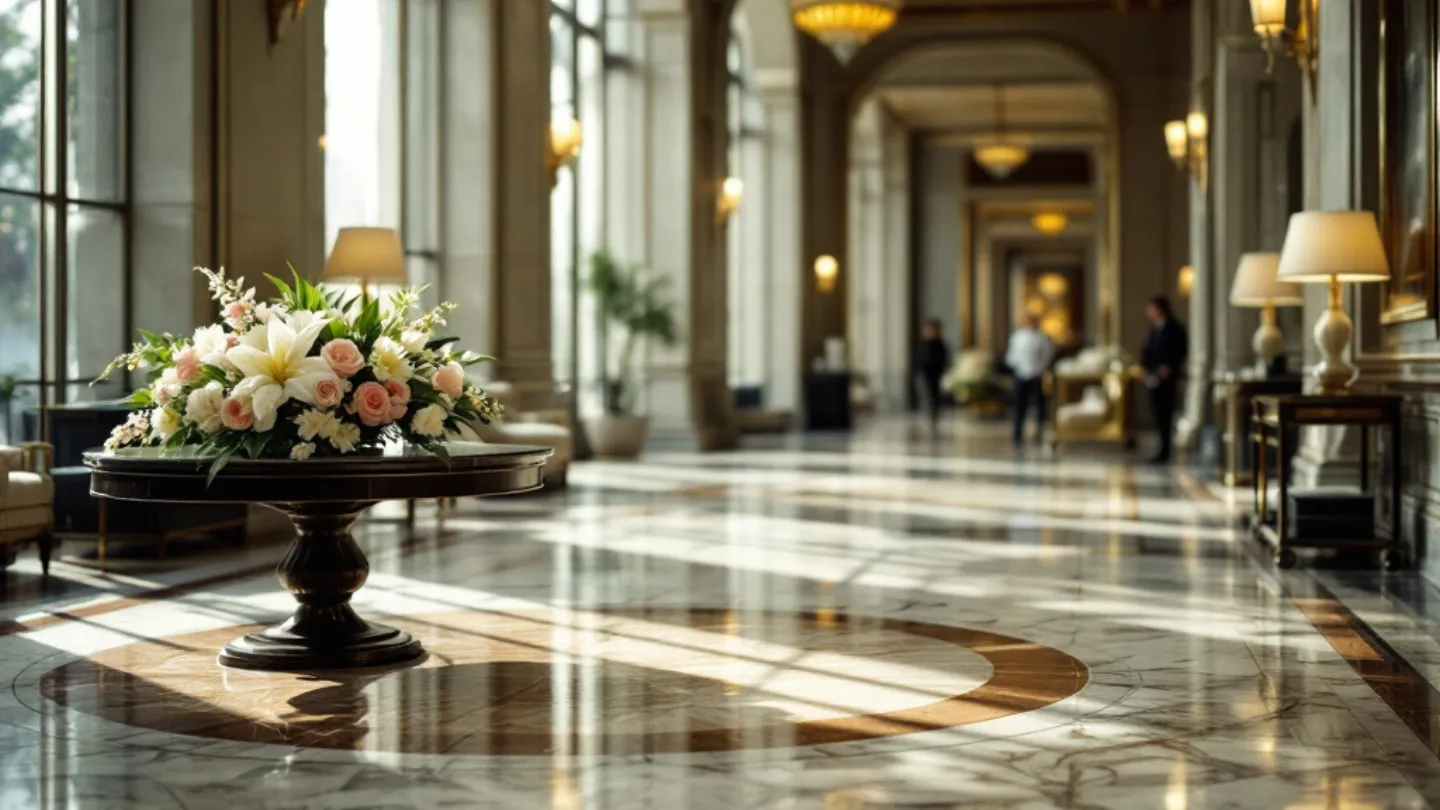
AI Prompts for Luxury Hotels — Lobbies, Suites, Rooftops
Prompt techniques for generating photorealistic luxury hotel lifestyle photos — marble lobbies, penthouse views, rooftop bars, and resort pool settings.
The luxury hotel environment is one of the most powerful backdrops in aspirational lifestyle photography. Marble floors, double-height ceilings, warm ambient lighting, architectural details that communicate wealth without requiring explanation. When AI generates them well, the result looks more convincing than a real photo — because the AI builds the ideal version of the space, not whatever was actually in front of the camera.
Here's how to prompt it correctly.
Why "Luxury Hotel" Isn't a Prompt
"In a luxury hotel lobby" generates something different every time — and usually disappointing. The AI has been trained on thousands of hotels at every level of hospitality. Without specificity, it defaults to something mid-range: dated carpet, standard lighting, anonymous space.
The prompt needs to describe the specific visual qualities you want. Not "luxury hotel" but "modern Italian luxury hotel lobby with white Calacatta marble floors, floor-to-ceiling windows overlooking the harbor at sunset, warm pendant lighting, and a sculptural flower arrangement at the marble reception desk." That level of description forces the AI to build a specific place rather than an average composite of everything it's ever seen.
Five-Star Lobby Shots
Marble is the shorthand for luxury in hotel photography. When you specify the marble type — Carrara, Calacatta, travertine, black Marquina — the AI renders distinctly. "White Calacatta marble with gold veining" looks materially different from "grey travertine." This specificity is free to include and dramatically changes the result.
Lighting in hotel lobbies comes from multiple sources: ambient ceiling panels, pendant fixtures, natural light through windows, and accent lighting on architectural features. Naming multiple sources gives the AI a complete lighting scene. "Warm pendant lighting above reception, floor lamps casting amber pools in the seating area, soft late-afternoon light through floor-to-ceiling windows" produces layered, realistic interior lighting — the kind that looks designed rather than default.
Subject placement shapes the narrative. "Standing at the reception desk," "seated on a lounge chair near the window," or "walking through the lobby toward camera" each produce different compositions with different storytelling implications. Be specific about where in the scene the subject is.
Penthouse and Suite Interiors
Hotel suite interiors shift the focus from architecture to comfort and status. The key elements: the view, the furnishings, and the light quality. "Standing on a penthouse suite balcony overlooking Monaco harbor at blue hour, glass balustrade railing, modern outdoor furniture, warm light spilling from inside the suite" produces a specific aspirational scene that reads immediately.
For interior shots, describe the furnishings with fashion-prompt precision: "king-size bed with white Belgian linen against a floor-to-ceiling window, warm hardwood floors, a styling tray with books and a ceramic vase." The objects establish quality without naming a brand or hotel.
The View Is Often the Content
In aspirational lifestyle photography, the view frequently carries more visual weight than the interior. A man standing on a balcony overlooking the Amalfi Coast, the Dubai skyline, or the Monaco harbor — the location communicates everything. The subject becomes a figure in a story told by the setting.
Structure these prompts from outside in: start with the view, describe the balcony or terrace, then the subject's position. "Expansive view of the Amalfi Coast from a limestone terrace, turquoise Mediterranean below, white boats in the harbor, a well-dressed man standing at a glass railing, warm late-afternoon light" establishes the visual hierarchy the AI should follow.
Rooftop Bar and Infinity Pool Settings
Rooftop environments have an inherent visual power: the relationship between the subject and the skyline, the city reduced to a backdrop. Infinity pools add the water-reflection element that doubles the visual complexity.
These prompts follow a consistent structure: describe the rooftop space (infinity pool, lounge furniture, bar), then its relationship to the skyline, then the lighting condition. "Infinity pool overlooking the Dubai skyline at blue hour, reflections of city lights shimmering in the still water, warm lantern light from the poolside bar, lounge chairs at the pool edge" gives the AI a complete scene. Adding the subject: "a man standing at the pool edge looking toward the skyline, wearing a white linen shirt, glass in hand, warm light on his face from behind camera."
Resort and Private Pool Villa Settings
For island resort content — Maldives overwater bungalows, Santorini cave hotels, Balinese open-air villas — the architecture is the story. Describe the architectural type first, then its defining visual elements: "overwater bungalow on stilts above a turquoise lagoon, private plunge pool on the deck, thatched roof, wooden decking, glassy water reflecting the sky." The distinctiveness of the structure does most of the work.
The subject doesn't need to dominate these shots. A silhouette on the deck at sunrise, a man standing at the edge of a plunge pool looking toward the water — these environmental lifestyle compositions convey the setting without relying on precise face generation. They're also more forgiving to generate because the face isn't the primary subject.
Four Elements Every Hotel Prompt Needs
Consistency across hotel prompts comes from including four things: a specific geographic or architectural reference (Amalfi Coast, Monaco harbor, Aman resort aesthetic), a lighting condition (golden hour, blue hour, midday with hard shadows), a camera direction (eye-level looking across the lobby, low angle looking up at the ceiling height, aerial view of the pool), and a style reference (architectural photography, luxury travel editorial, interior design photography).
Add these four to any hotel prompt and the output becomes markedly more specific and photorealistic. The PROMPTMVSTR archive includes hotel and luxury travel prompts across all categories — copy the exact prompt text to see the structure in action.